The Complete Guide to Creating a Successful Blog in 2026
Posted by
 Stefan Winter
TL;DR
Creating a successful blog in 2026 requires choosing the right niche at the intersection of your expertise and market demand, selecting an appropriate platform like WordPress.org for maximum control, and consistently publishing high-quality content that solves real problems for your target audience. Success depends on balancing SEO optimization with genuine value delivery, tracking meaningful engagement metrics, and building authentic relationships with readers rather than chasing vanity metrics.
The Complete Guide to Creating a Successful Blog in 2026
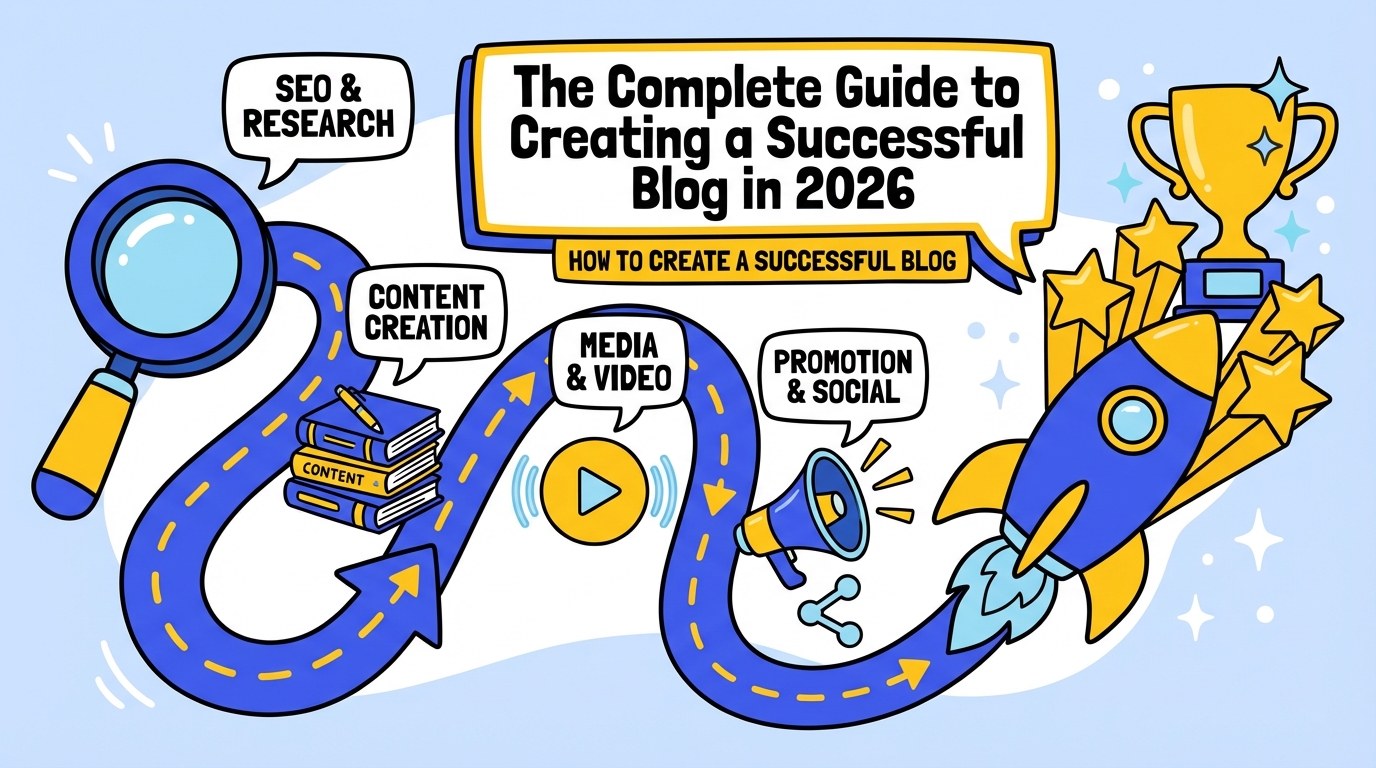
Starting a blog has never been more accessible, yet creating one that truly succeeds requires strategic planning, consistent execution, and a deep understanding of your audience. Whether you're launching a personal brand, building authority in your industry, or creating a revenue stream, this comprehensive guide will walk you through every essential step to transform your blogging vision into a thriving online presence that attracts readers, builds community, and achieves your goals.
What Makes a Blog Successful in Today's Digital Landscape?
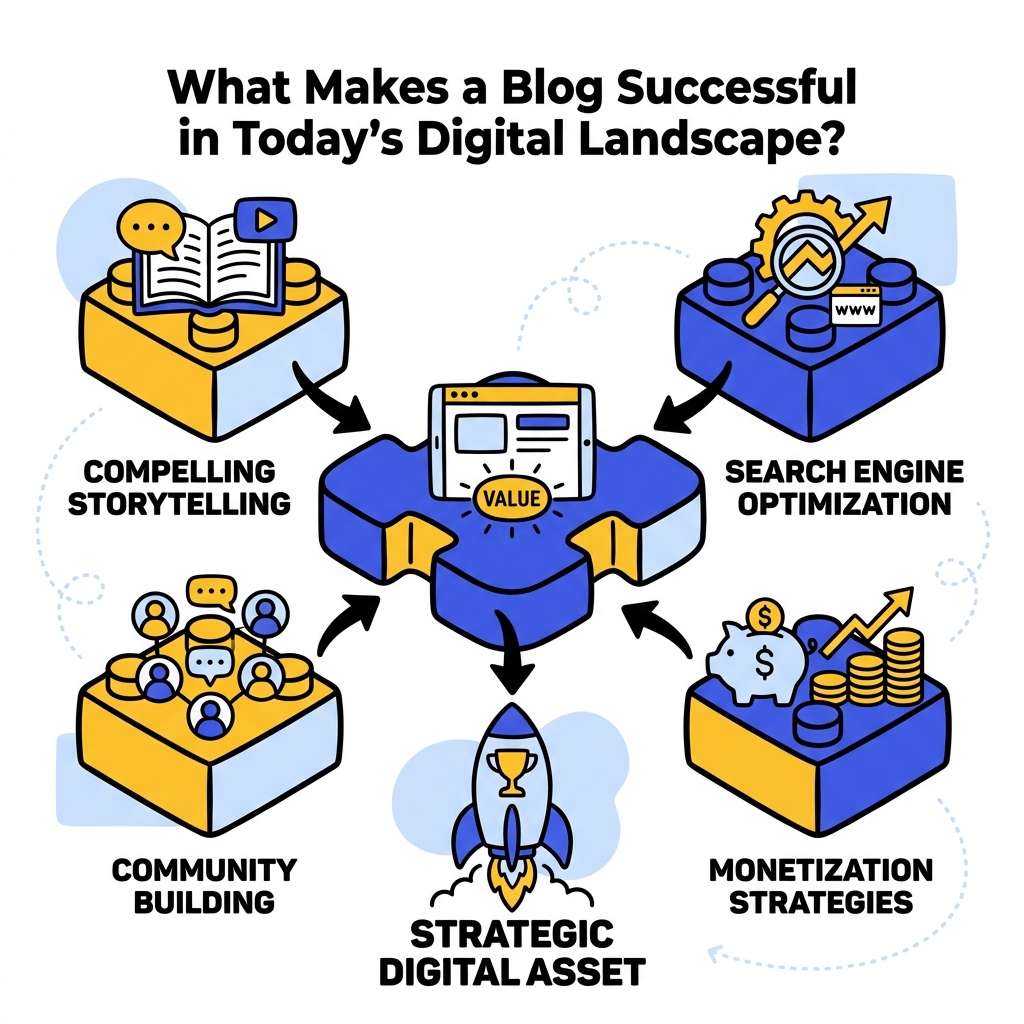
A successful blog goes far beyond publishing content regularly. It's a strategic digital asset that serves a specific purpose while delivering genuine value to its readers. Modern successful blogs combine compelling storytelling with search engine optimization, community building with monetization strategies, and authentic voice with professional execution.
The most successful blogs in 2026 share several key characteristics: they solve real problems for their target audience, maintain consistent publishing schedules, optimize for both search engines and user experience, and build genuine relationships with their readers. These blogs also adapt quickly to changing algorithms, embrace new content formats, and leverage multiple traffic sources rather than relying on a single channel.
Understanding success metrics is crucial from the start. While vanity metrics like page views matter, successful bloggers focus on engagement rates, email subscribers, time on page, and conversion rates. These metrics indicate whether your content truly resonates with readers and drives meaningful action.
How Do You Choose the Right Niche for Your Blog?
Selecting your blog's niche represents one of the most critical decisions in your blogging journey. The sweet spot lies at the intersection of your expertise, passion, and market demand. Start by conducting a personal inventory of your skills, experiences, and interests, then research whether these topics have sufficient search volume and monetization potential.
Use keyword research tools to analyze search volumes, competition levels, and trending topics within your potential niches. Look for gaps in existing content where you can provide unique value or a fresh perspective. Consider sub-niches that might be less competitive but still have dedicated audiences seeking specific solutions.
Evaluate the commercial viability of your chosen niche by researching affiliate programs, product opportunities, and service potential within that space. Some niches naturally lend themselves to monetization through courses, consulting, or product sales, while others might rely more heavily on advertising revenue or sponsored content.
What Platform Should You Choose for Maximum Success?
| Platform | Best For | Pros | Cons |
|---|---|---|---|
| WordPress.org | Full control & customization | Complete ownership, unlimited plugins | Requires hosting, technical knowledge |
| WordPress.com | Beginners wanting WordPress | Easy setup, managed hosting | Limited customization, upgrade costs |
| Ghost | Content-focused bloggers | Clean interface, fast loading | Fewer themes, smaller community |
| Squarespace | Design-conscious creators | Beautiful templates, all-in-one | Higher cost, less flexibility |
| Medium | Writers seeking built-in audience | Existing readership, simple publishing | Limited monetization, no ownership |
Consider your technical comfort level, budget, and long-term goals when making this decision. If you plan to monetize your blog significantly or build it into a business, investing in a self-hosted WordPress site provides the foundation for future growth and customization.
How Do You Create Content That Drives Traffic and Engagement?
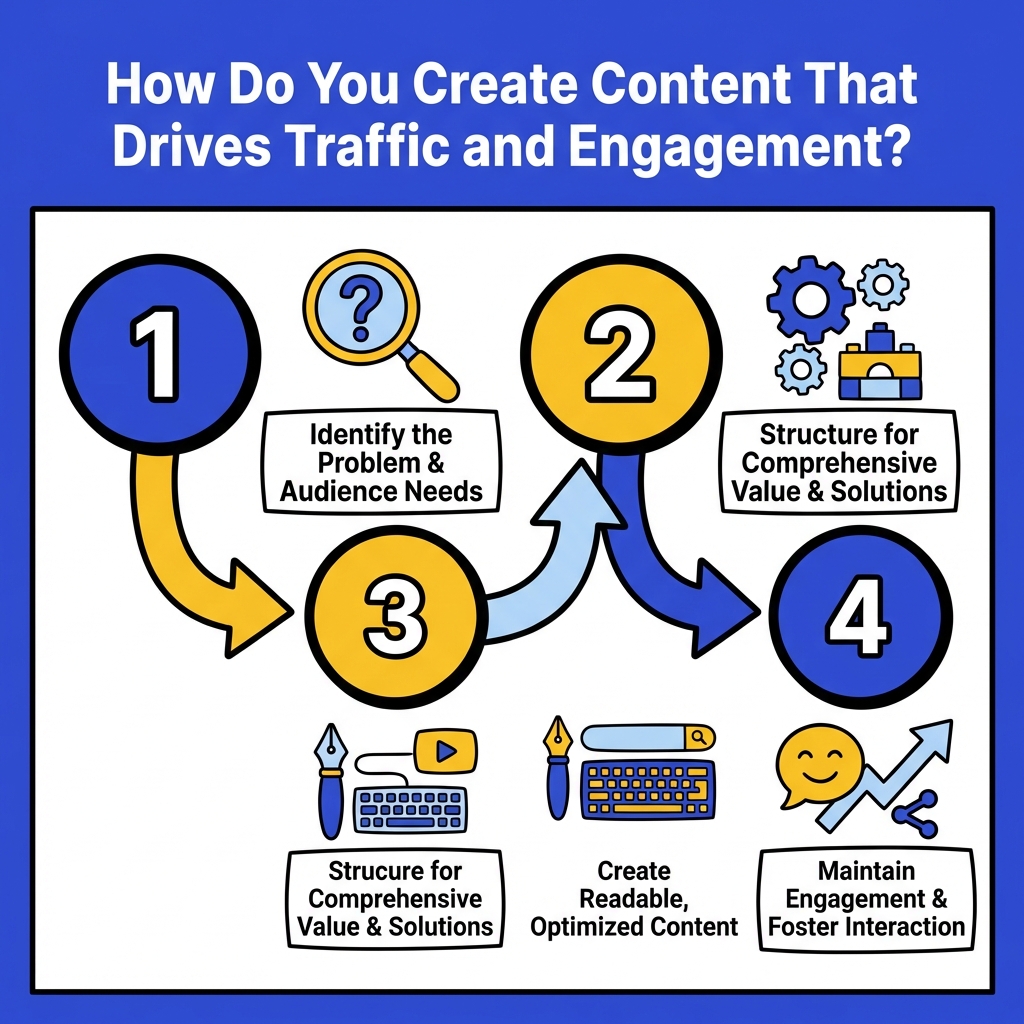
Creating successful blog content requires balancing search engine optimization with genuine value delivery. Start each post by identifying the specific problem you're solving for your readers, then structure your content to provide comprehensive solutions while maintaining readability and engagement.
Develop a content calendar that mixes different post types: how-to guides, listicles, case studies, opinion pieces, and resource roundups. This variety keeps your content fresh while appealing to different reader preferences and search intents. Plan your content around seasonal trends, industry events, and evergreen topics that will drive traffic long-term.
Research your topics thoroughly using tools like Google Trends, Answer the Public, and competitor analysis. Look for questions your audience is asking on social media, forums, and in blog comments. The most successful blog posts often address specific pain points that aren't adequately covered elsewhere.
What's the Secret to Writing Headlines That Get Clicked?
Your headline determines whether readers click through to your content, making it arguably the most important element of your blog post. Successful headlines typically include numbers, power words, and clear benefit statements while maintaining authenticity and avoiding clickbait tactics.
Test different headline formulas: "How to [achieve desired outcome] in [timeframe]," "X Ways to [solve problem]," or "[Number] [adjective] [topic] That [benefit]." Use headline analyzer tools to optimize for both engagement and SEO while ensuring your headlines accurately represent your content.
Consider creating multiple headline options for each post, then choose the one that best balances search optimization with click appeal. Remember that your headline also becomes your default social media share text, so make it compelling across different platforms.
How Do You Build and Grow Your Blog's Audience?
Building a loyal readership requires consistent value delivery combined with strategic promotion across multiple channels. Focus on creating remarkable content that readers naturally want to share, then amplify that content through social media, email marketing, and community engagement.
Develop relationships with other bloggers in your niche through genuine interaction, guest posting, and collaborative content creation. These relationships often lead to cross-promotion opportunities, backlinks, and increased visibility within your target community.
Email list building should begin from day one of your blog. Create valuable lead magnets like checklists, templates, or mini-courses that encourage readers to subscribe. Email subscribers represent your most engaged audience segment and provide a direct communication channel that you fully control.
How Can You Leverage Social Media for Blog Growth?
Choose 2-3 social media platforms where your target audience is most active rather than trying to maintain a presence everywhere. Create platform-specific content that drives traffic back to your blog while providing value on the social platform itself.
Use social media to share behind-the-scenes content, engage in conversations around your blog topics, and build personal connections with your audience. Share your blog posts strategically, focusing on compelling captions and engaging visuals rather than simply dropping links.
Join relevant Facebook groups, LinkedIn communities, and Reddit forums where your target audience gathers. Participate genuinely in discussions and share your expertise before promoting your content. This approach builds trust and establishes you as a valuable community member.
What Are the Most Effective Blog Monetization Strategies?
Successful blog monetization typically involves multiple revenue streams rather than relying on a single income source. The most effective strategies align with your audience's needs and your blog's content naturally, creating value for readers while generating revenue for you.
Affiliate marketing works exceptionally well when you recommend products and services you genuinely use and believe in. Focus on high-quality programs with good commission structures and strong conversion rates. Always disclose affiliate relationships transparently to maintain reader trust.
Digital products like courses, ebooks, templates, and coaching services often provide the highest profit margins. These products leverage your expertise while serving your audience's specific needs. Start by identifying the most common questions or challenges your readers face, then create products that address these issues comprehensively.
How Do You Optimize Your Blog for Search Engines?
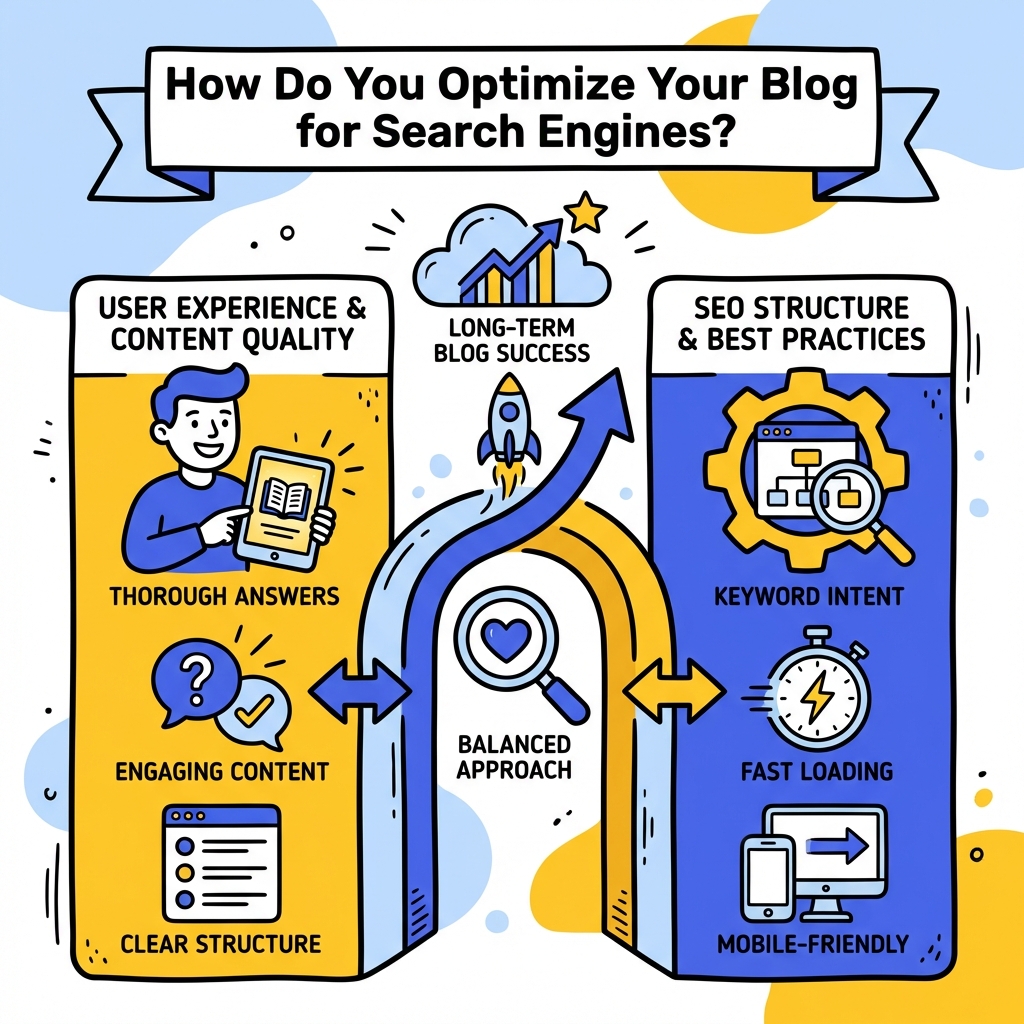
Search engine optimization remains crucial for long-term blog success, but the focus has shifted toward user experience and content quality rather than technical manipulation. Create content that thoroughly answers user queries while following SEO best practices for structure and optimization.
Conduct keyword research for each post, but prioritize natural language and reader value over keyword density. Use your target keywords in strategic locations like titles, headings, and meta descriptions while maintaining readability and flow.
Technical SEO elements like site speed, mobile responsiveness, and proper heading structure significantly impact your search rankings. Regularly audit your site's technical performance and address issues promptly. Consider using SEO plugins like Yoast or RankMath to guide your optimization efforts.
How Do You Measure and Improve Your Blog's Performance?
Tracking the right metrics helps you understand what's working and where to focus your improvement efforts. Set up Google Analytics and Google Search Console from the beginning to gather baseline data about your traffic, user behavior, and search performance.
Monitor key performance indicators including organic traffic growth, email subscriber growth, engagement metrics like time on page and bounce rate, and conversion rates for your monetization efforts. Create monthly reports to track progress and identify trends over time.
Use this data to make informed decisions about content creation, promotion strategies, and site improvements. A/B test different elements like headlines, call-to-action buttons, and email opt-in forms to continuously optimize your blog's performance.
Conclusion
Creating a successful blog requires strategic planning, consistent execution, and ongoing optimization based on data and reader feedback. Focus on delivering genuine value to your target audience while building sustainable systems for content creation, promotion, and monetization. Remember that blog success is a marathon, not a sprint, requiring patience and persistence as you build your audience and refine your approach.
Start implementing these strategies systematically rather than trying to do everything at once. Choose your niche, set up your platform, create your first valuable pieces of content, and begin building relationships within your community. Your blogging success story begins with that first published post and grows through consistent, value-focused effort over time.
Frequently Asked Questions
WordPress.org is the gold standard for serious bloggers due to its flexibility, SEO capabilities, and extensive plugin ecosystem. However, your choice should depend on your technical comfort level, budget, and long-term goals—beginners might prefer WordPress.com or Squarespace for easier setup.
Find the intersection of your expertise, passion, and market demand. Use keyword research tools to analyze search volume and competition, look for content gaps where you can provide unique value, and evaluate the commercial viability through affiliate programs, courses, or product opportunities.
Rather than vanity metrics like page views, focus on engagement rates, email subscribers, time on page, and conversion rates. These metrics indicate whether your content truly resonates with readers and drives meaningful action toward your goals.
Maintain a consistent publishing schedule that you can sustain long-term, as consistency is more important than frequency. Most successful blogs balance regular publishing with quality content rather than rushing to meet arbitrary posting quotas.
Successful headlines include numbers, power words, and clear benefit statements while remaining authentic and avoiding clickbait. Use formulas like 'How to [achieve outcome] in [timeframe]' or '[Number] Ways to [solve problem]' and test multiple options to balance SEO optimization with click appeal.

Stefan Winter
Founder & SEO Expert
Founder of Fast SEO Fix and SEO automation expert. Stefan built Fast SEO Fix to solve the tedious problem of manual SEO work. He specializes in SEO optimized content generation, keyword research, and automated SEO strategies.
