The Complete Guide to Content Ideas: How to Never Run Out of Creative Inspiration
Posted by
 Stefan Winter
The Complete Guide to Content Ideas: How to Never Run Out of Creative Inspiration
Creating compelling content consistently is one of the biggest challenges facing marketers, bloggers, and business owners today. Whether you're managing a company blog, social media channels, or email campaigns, the pressure to generate fresh, engaging content ideas can feel overwhelming. This comprehensive guide will transform how you approach content ideation, providing you with proven strategies, tools, and frameworks to build an endless pipeline of creative concepts that resonate with your audience and drive meaningful results.
What Are Content Ideas and Why Do They Matter?
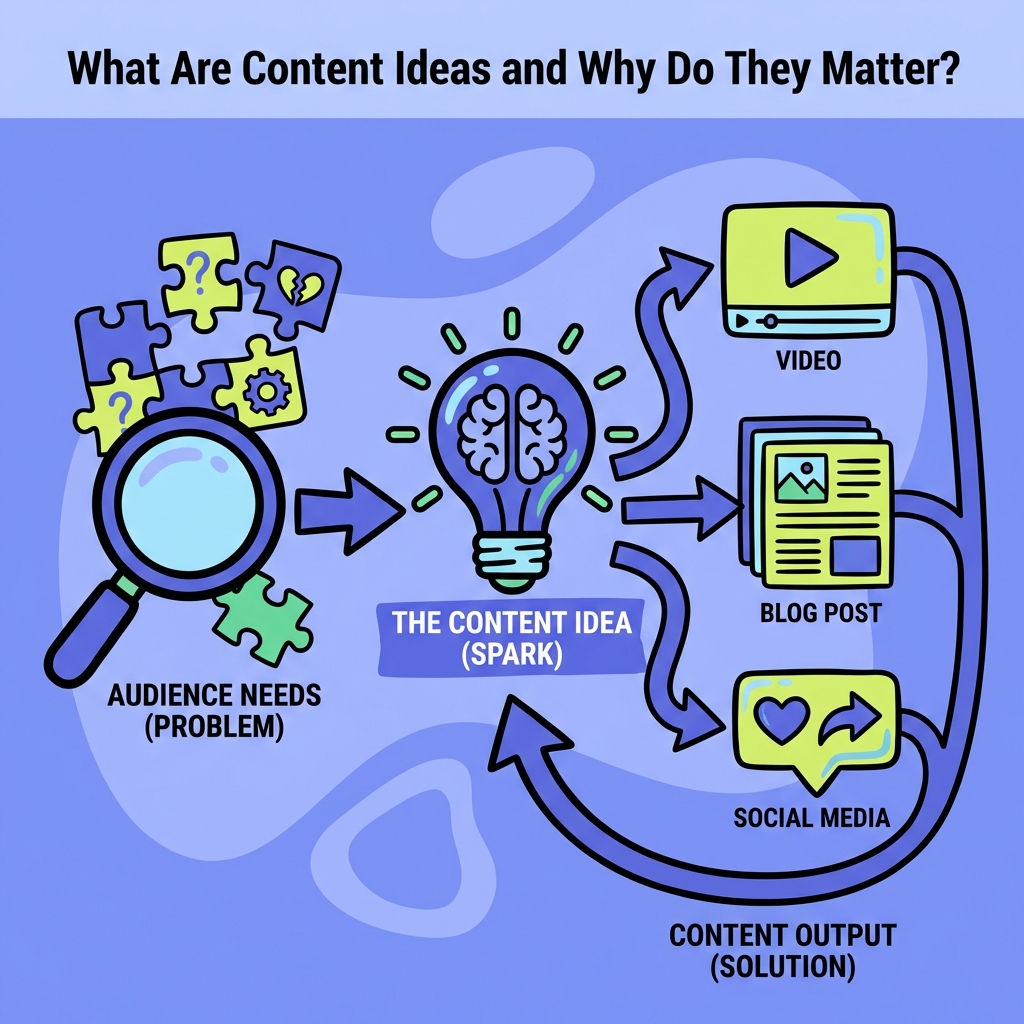
A content idea represents the foundational concept or theme that drives any piece of content you create. It's the spark that ignites blog posts, videos, social media updates, podcasts, and other marketing materials. However, not all content ideas are created equal. The most effective ones solve specific problems, address genuine audience needs, and align with your business objectives.
The quality of your content ideas directly impacts your marketing success. Strong concepts lead to higher engagement rates, improved search engine rankings, and better conversion rates. When you consistently produce content based on well-researched, audience-focused ideas, you build trust and authority in your industry while creating lasting connections with your target market.
Understanding the anatomy of a great content idea is crucial for sustainable content marketing. The best concepts combine audience interest with business relevance, trending topics with evergreen value, and educational elements with entertainment appeal.
How to Identify Your Audience's Content Needs?
Before brainstorming content ideas, you must deeply understand your audience's pain points, interests, and information gaps. Start by analyzing your existing customer data, including support tickets, sales conversations, and feedback forms. These sources reveal the questions your audience asks most frequently and the challenges they face regularly.
Social media listening provides another goldmine of content idea inspiration. Monitor conversations in your industry groups, relevant hashtags, and competitor comment sections. Pay attention to the language your audience uses when describing problems or seeking solutions. This authentic voice should inform your content creation approach.
Conduct surveys and interviews with your current customers to uncover deeper insights. Ask about their biggest challenges, preferred content formats, and information sources they currently trust. This direct feedback helps you create content ideas that address real needs rather than assumed preferences.
Creating Audience Personas for Better Content Ideas
Develop detailed buyer personas that include demographic information, professional challenges, content consumption habits, and preferred communication styles. Each persona should represent a segment of your audience with distinct needs and interests. Use these personas as filters when evaluating potential content ideas.
Consider creating persona-specific content calendars that address each group's unique journey. A beginner-focused content idea might explain basic concepts, while advanced users might prefer in-depth case studies or technical tutorials. This targeted approach ensures your content ideas resonate with specific audience segments.
What Are the Most Effective Content Idea Generation Techniques?
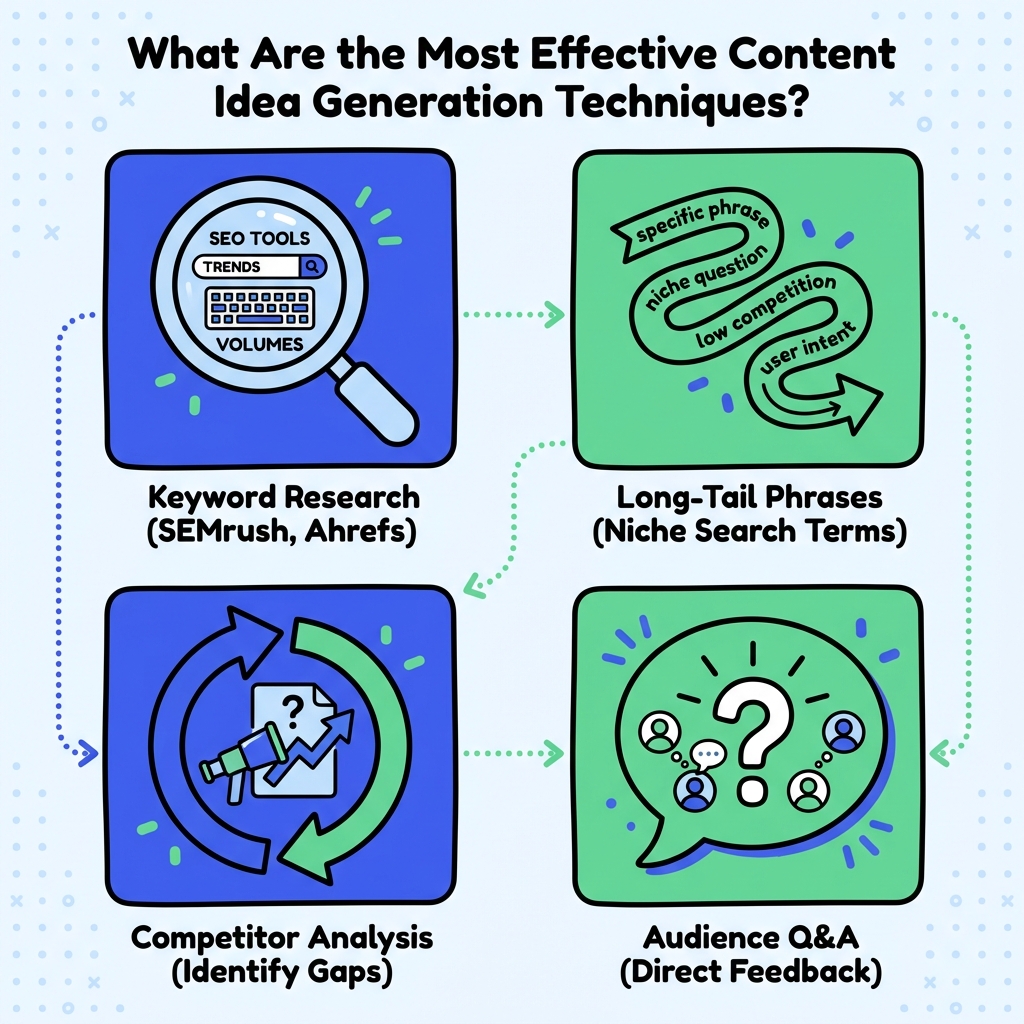
The keyword research method remains one of the most reliable ways to generate content ideas that people actively search for. Use tools like Google Keyword Planner, SEMrush, or Ahrefs to identify search terms related to your industry. Look beyond high-volume keywords to find long-tail phrases that indicate specific user intent.
Competitor analysis offers valuable insights into content gaps and opportunities. Review your competitors' most popular content, noting topics that generate high engagement or social shares. Identify areas they haven't covered thoroughly or angles they've missed. This research helps you create content ideas that differentiate your brand while addressing proven audience interests.
The "answer the public" approach involves collecting questions your audience asks across various platforms. Google's "People Also Ask" section, Quora discussions, Reddit threads, and industry forums provide endless content idea inspiration. Document these questions and create comprehensive answers that position your brand as a helpful resource.
Leveraging Trending Topics for Timely Content Ideas
Monitor industry news, seasonal events, and cultural moments that align with your brand values. Trending topics can breathe new life into evergreen content ideas when approached thoughtfully. Create a system for quickly identifying and responding to relevant trends while maintaining your brand voice and expertise.
Use Google Trends to identify rising search terms in your industry. This tool helps you spot emerging topics before they become oversaturated, giving you a competitive advantage. Combine trending elements with your core expertise to create timely, relevant content ideas.
How to Organize and Prioritize Your Content Ideas?
Creating a systematic approach to content idea management prevents great concepts from getting lost and ensures consistent publishing schedules. Develop a centralized repository where team members can contribute and access content ideas. This might be a shared spreadsheet, project management tool, or dedicated content planning platform.
Establish clear criteria for evaluating and prioritizing content ideas. Consider factors like audience relevance, business alignment, resource requirements, and potential impact. Create a scoring system that helps you objectively compare different concepts and allocate resources to the most promising ideas.
| Priority Level | Audience Interest | Business Relevance | Resource Requirement | Expected Impact |
|---|---|---|---|---|
| High Priority | Very High | Direct Business Impact | Low to Medium | High Engagement/Conversions |
| Medium Priority | High | Moderate Business Impact | Medium | Moderate Engagement |
| Low Priority | Medium | Indirect Business Impact | High | Brand Awareness |
| Future Consideration | Variable | Long-term Relevance | Variable | Strategic Value |
Building a Content Idea Calendar System
Organize your content ideas around key themes, campaigns, and seasonal opportunities. Create monthly or quarterly themes that allow you to explore topics from multiple angles while maintaining consistency. This approach helps you develop comprehensive coverage of important subjects rather than creating isolated pieces.
Balance different content types and formats within your calendar. Mix educational content ideas with entertaining ones, short-form concepts with long-form deep dives, and original research with curated insights. This variety keeps your audience engaged while showcasing different aspects of your expertise.
What Content Formats Work Best for Different Ideas?
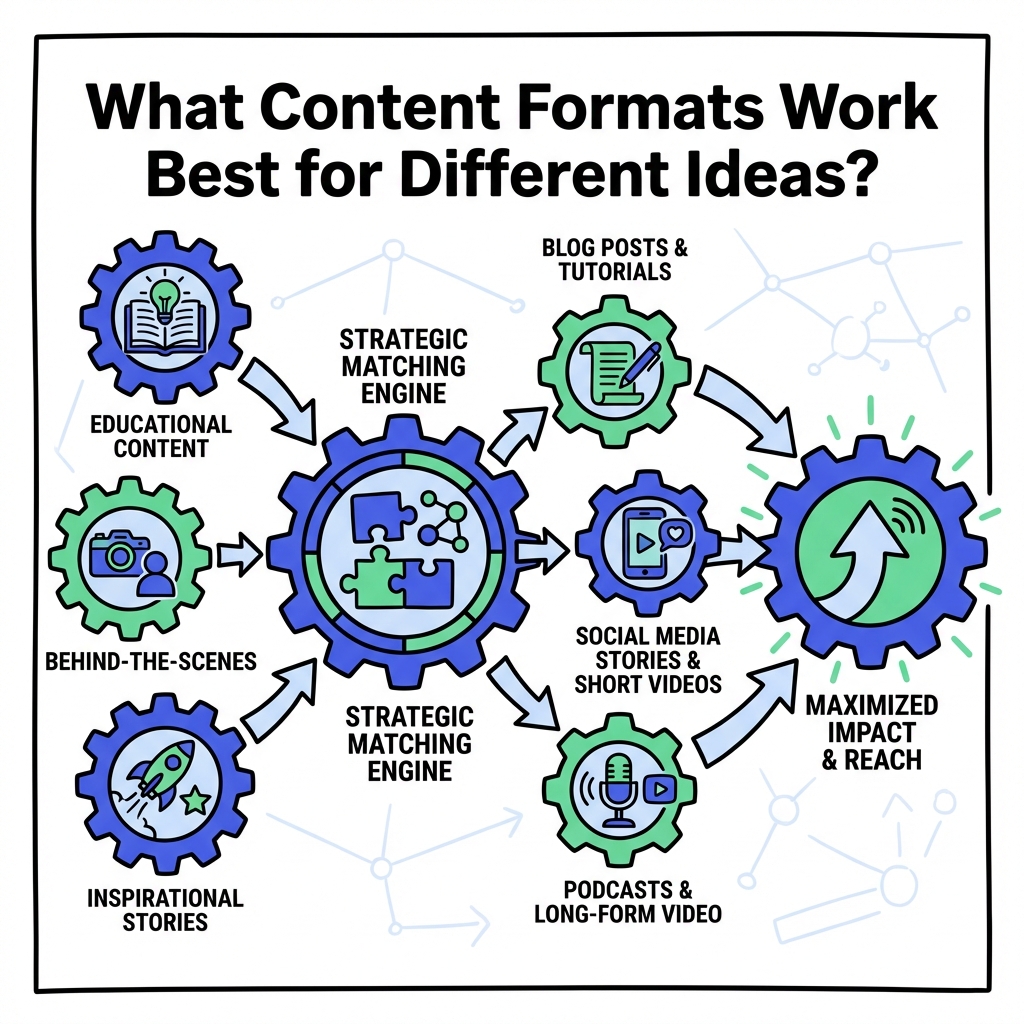
Matching content ideas with appropriate formats maximizes their impact and reach. Educational content ideas often perform well as blog posts, tutorials, or webinars, while behind-the-scenes concepts might work better as social media stories or short videos. Consider your audience's preferences and the complexity of your subject matter when choosing formats.
Interactive content ideas like polls, quizzes, and calculators generate high engagement rates and provide valuable audience insights. These formats work particularly well for social media platforms and can be repurposed across multiple channels. Consider how you can transform static content ideas into interactive experiences that encourage participation.
Visual content ideas, including infographics, charts, and image carousels, perform exceptionally well on platforms like Instagram, Pinterest, and LinkedIn. Complex information becomes more digestible when presented visually, making these formats ideal for data-heavy or process-oriented content ideas.
Repurposing Content Ideas Across Multiple Formats
Maximize the value of strong content ideas by adapting them for different platforms and formats. A comprehensive blog post can become a podcast episode, social media series, email newsletter, and video tutorial. This approach allows you to reach different audience segments while reinforcing key messages.
Create format-specific variations that optimize for each platform's unique characteristics. A content idea that works as a lengthy LinkedIn article might need to be condensed into bite-sized Instagram posts or expanded into a detailed YouTube video. Tailor your approach while maintaining the core value proposition.
How to Measure Content Idea Success and Iterate?
Establish clear metrics for evaluating content idea performance across different goals and platforms. Engagement metrics like comments, shares, and time on page indicate how well your content ideas resonate with audiences. Conversion metrics such as email signups, demo requests, or sales reveal business impact.
Track both immediate and long-term performance indicators. Some content ideas may not generate immediate engagement but could become valuable evergreen resources that attract organic traffic over time. Others might create viral moments that boost short-term awareness but have limited lasting impact.
Use performance data to refine your content idea generation process. Identify patterns in your most successful concepts, noting common themes, formats, or approaches. This analysis helps you develop a more targeted strategy for future content ideation while avoiding concepts that consistently underperform.
Creating Feedback Loops for Continuous Improvement
Regularly survey your audience about their content preferences and satisfaction levels. Ask specific questions about which content ideas they find most valuable and what topics they'd like to see covered. This feedback helps you align your ideation process with actual audience needs rather than assumptions.
Monitor comments, social media mentions, and direct messages for qualitative feedback about your content ideas. Pay attention to questions, suggestions, and requests that emerge from your audience. These interactions often reveal new content opportunities and help you understand how your ideas are being received and applied.
Conclusion
Developing a sustainable system for generating compelling content ideas is essential for long-term marketing success. By understanding your audience deeply, using proven ideation techniques, organizing your concepts systematically, and measuring performance consistently, you can build an endless pipeline of engaging content that drives real business results.
The key to content idea mastery lies in combining strategic thinking with creative exploration. Use the frameworks and techniques outlined in this guide to transform your content creation process from reactive scrambling to proactive planning. Remember that the best content ideas solve real problems for real people while advancing your business objectives.
Start implementing these strategies today by conducting an audience needs assessment and setting up your content idea organization system. Your future self will thank you for building these sustainable processes that turn content creation from a constant challenge into a strategic advantage.

Stefan Winter
Founder & SEO Expert
Founder of Fast SEO Fix and SEO automation expert. Stefan built Fast SEO Fix to solve the tedious problem of manual SEO work. He specializes in SEO optimized content generation, keyword research, and automated SEO strategies.
