The Complete Guide to Brief Generators: Streamline Your Creative Process in 2026
Posted by
 Stefan Winter
TL;DR
Brief generators are AI-powered tools that streamline the creation of project briefs by guiding users through structured prompts and templates, significantly reducing time spent on documentation while ensuring consistency and completeness. These tools are essential for modern distributed teams across marketing, technology, consulting, and design industries, transforming chaotic brief creation processes into efficient, standardized workflows.
The Complete Guide to Brief Generators: Streamline Your Creative Process in 2026
In today's fast-paced digital landscape, creating compelling briefs for projects, campaigns, and creative initiatives can consume valuable time that could be better spent on execution. Whether you're a marketing professional, creative director, or business owner, you've likely experienced the challenge of crafting detailed, comprehensive briefs that effectively communicate your vision. This is where a brief generator becomes an invaluable tool, transforming the way professionals approach project planning and creative direction. In this comprehensive guide, you'll discover everything you need to know about brief generators, from their core functionality to advanced implementation strategies that can revolutionize your workflow.
What is a Brief Generator and Why Does Your Business Need One?
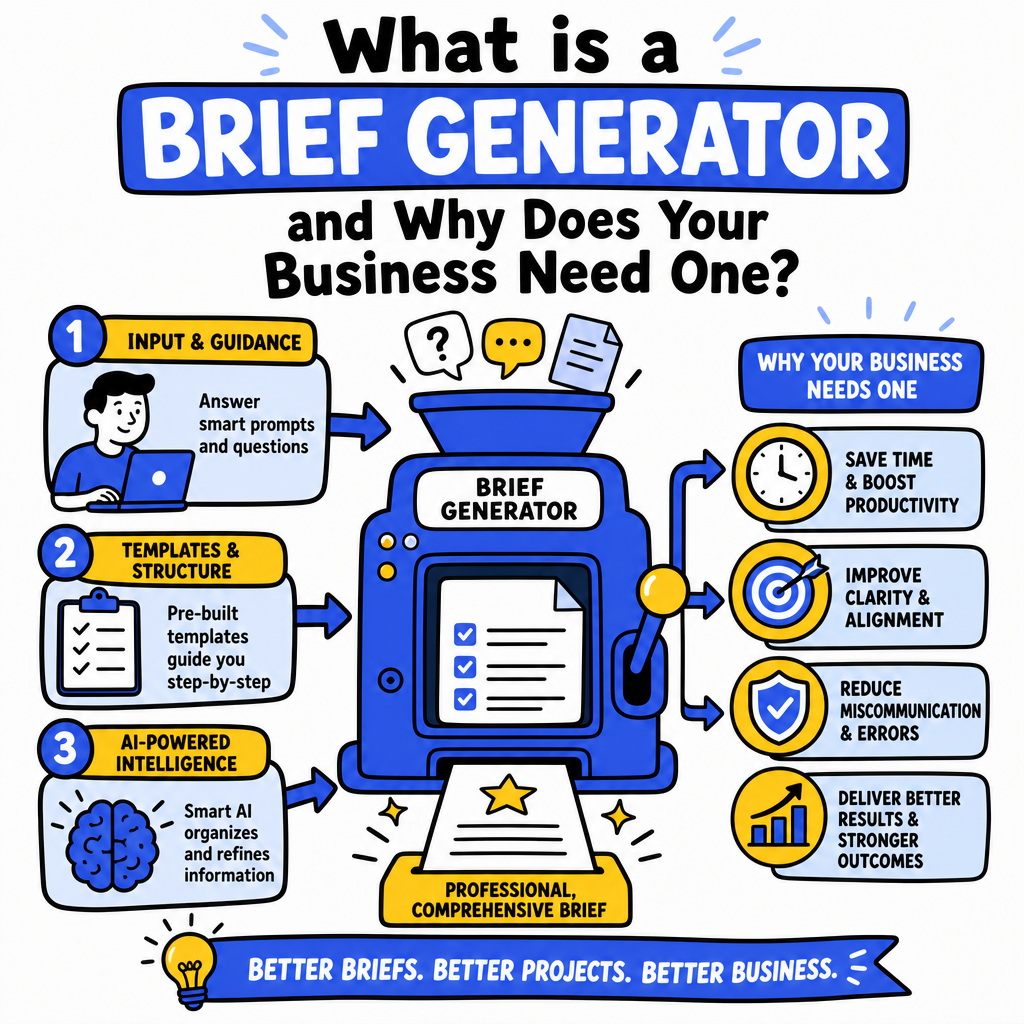
A brief generator is a specialized software tool or platform designed to help users create structured, professional briefs quickly and efficiently. These intelligent systems guide users through a series of prompts, questions, and templates to produce comprehensive project briefs that cover all essential elements, from objectives and target audiences to deliverables and timelines.
Modern brief generators leverage artificial intelligence and machine learning algorithms to suggest relevant content, identify potential gaps in your brief, and ensure consistency across all your project documentation. Unlike traditional template-based approaches, these tools adapt to your specific industry, project type, and organizational requirements, making them incredibly versatile for businesses of all sizes.
The need for brief generators has grown exponentially as remote work and cross-functional collaboration have become the norm. When team members are distributed across different locations and time zones, having a standardized, thorough brief becomes crucial for project success. A well-designed brief generator ensures that nothing falls through the cracks and that all stakeholders have access to the same foundational information.
How Do Brief Generators Transform Your Creative Workflow?
Brief generators fundamentally change how creative teams approach project initiation by introducing structure and consistency where chaos often reigns. Traditional brief creation typically involves multiple rounds of emails, meetings, and document revisions, often resulting in incomplete or unclear project parameters. A brief generator eliminates this inefficiency by providing a systematic approach to information gathering and organization.
The transformation begins with time savings. What once took hours or even days to compile can now be accomplished in minutes. The tool prompts users for specific information, ensuring comprehensive coverage of all project aspects while preventing the common oversight of critical details. This systematic approach reduces the back-and-forth communication that typically occurs when briefs are incomplete or unclear.
Furthermore, brief generators enhance collaboration by creating a shared language and structure across teams. When everyone uses the same framework for brief creation, it becomes easier to compare projects, allocate resources, and maintain quality standards. The consistency also helps in building institutional knowledge, as past briefs become valuable references for future projects.
Key Features That Make Brief Generators Essential
Modern brief generators incorporate several sophisticated features that set them apart from simple templates. Smart questionnaires adapt based on your responses, showing relevant fields while hiding unnecessary ones. This dynamic approach ensures that each brief is tailored to the specific project type without overwhelming users with irrelevant options.
Integration capabilities allow brief generators to connect with project management tools, creative software, and communication platforms, creating a seamless workflow from brief creation to project completion. Many tools also offer collaboration features, enabling multiple stakeholders to contribute to brief development in real-time, with version control ensuring that changes are tracked and managed effectively.
Which Industries Benefit Most from Brief Generator Implementation?
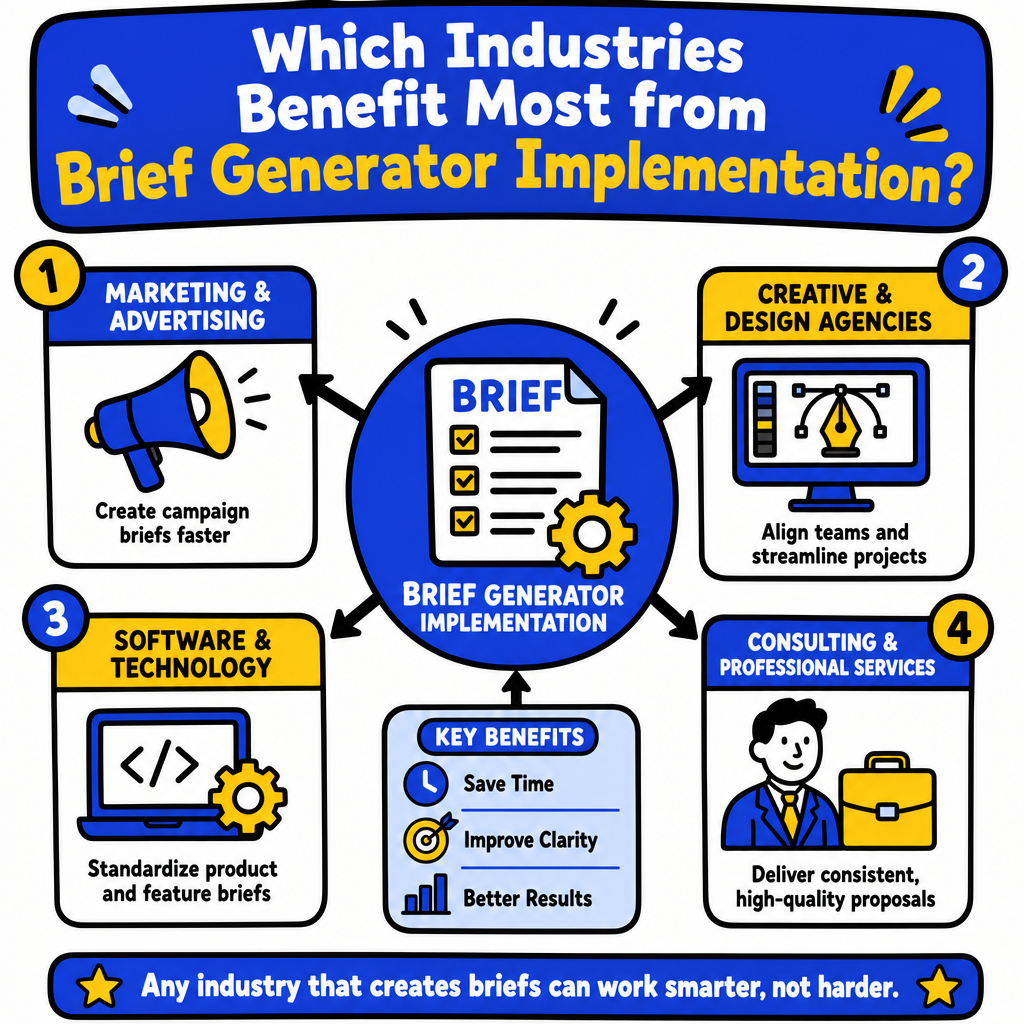
The versatility of brief generators makes them valuable across numerous industries, though some sectors see particularly significant benefits. Marketing and advertising agencies represent the most obvious beneficiaries, as these organizations constantly create briefs for campaigns, creative projects, and client deliverables. The structured approach helps agencies maintain consistency across accounts while ensuring that client requirements are thoroughly documented and communicated to creative teams.
Technology companies, particularly those developing software products or digital solutions, find brief generators invaluable for product development, feature specifications, and user experience projects. The tool helps bridge the gap between technical requirements and business objectives, ensuring that all stakeholders understand project goals and constraints.
Consulting firms and professional services organizations use brief generators to standardize their approach to client engagements, proposal development, and project scoping. This consistency helps maintain quality standards across different teams and client relationships while reducing the time required for project initiation.
| Industry | Primary Use Case | Key Benefits |
|---|---|---|
| Marketing Agencies | Campaign briefs, creative direction | Faster turnaround, consistent quality |
| Technology Companies | Product specs, feature development | Clear requirements, better alignment |
| Consulting Firms | Client engagements, proposals | Standardized approach, time savings |
| Design Studios | Creative projects, client work | Comprehensive briefing, fewer revisions |
| Content Creation | Editorial calendars, content strategy | Structured planning, goal alignment |
How to Choose the Right Brief Generator for Your Organization?
Selecting the appropriate brief generator requires careful consideration of your organization's specific needs, workflow requirements, and technical infrastructure. The first step involves assessing your current brief creation process to identify pain points, inefficiencies, and areas where automation could provide the most significant impact.
Consider the types of projects your organization typically handles and ensure that your chosen brief generator offers templates and frameworks suited to your industry and project types. Some tools specialize in marketing and creative briefs, while others focus on technical specifications or business strategy documents. The best choice will align with your primary use cases while offering flexibility for occasional different project types.
Integration capabilities should be a major factor in your decision-making process. The brief generator should work seamlessly with your existing tools, including project management platforms, communication systems, and creative software. This integration ensures that briefs become part of your natural workflow rather than an additional step that creates friction.
Essential Evaluation Criteria for Brief Generator Selection
When evaluating different brief generator options, focus on usability and learning curve requirements. The tool should be intuitive enough that team members can begin using it effectively with minimal training, while still offering advanced features for power users. Look for platforms that provide comprehensive onboarding resources, including tutorials, templates, and customer support.
Customization capabilities are crucial for ensuring that the brief generator adapts to your organization's specific requirements rather than forcing you to change your processes. The ability to create custom templates, modify existing frameworks, and add organization-specific fields ensures that the tool grows with your needs and maintains relevance over time.
What Are the Best Practices for Implementing Brief Generators?
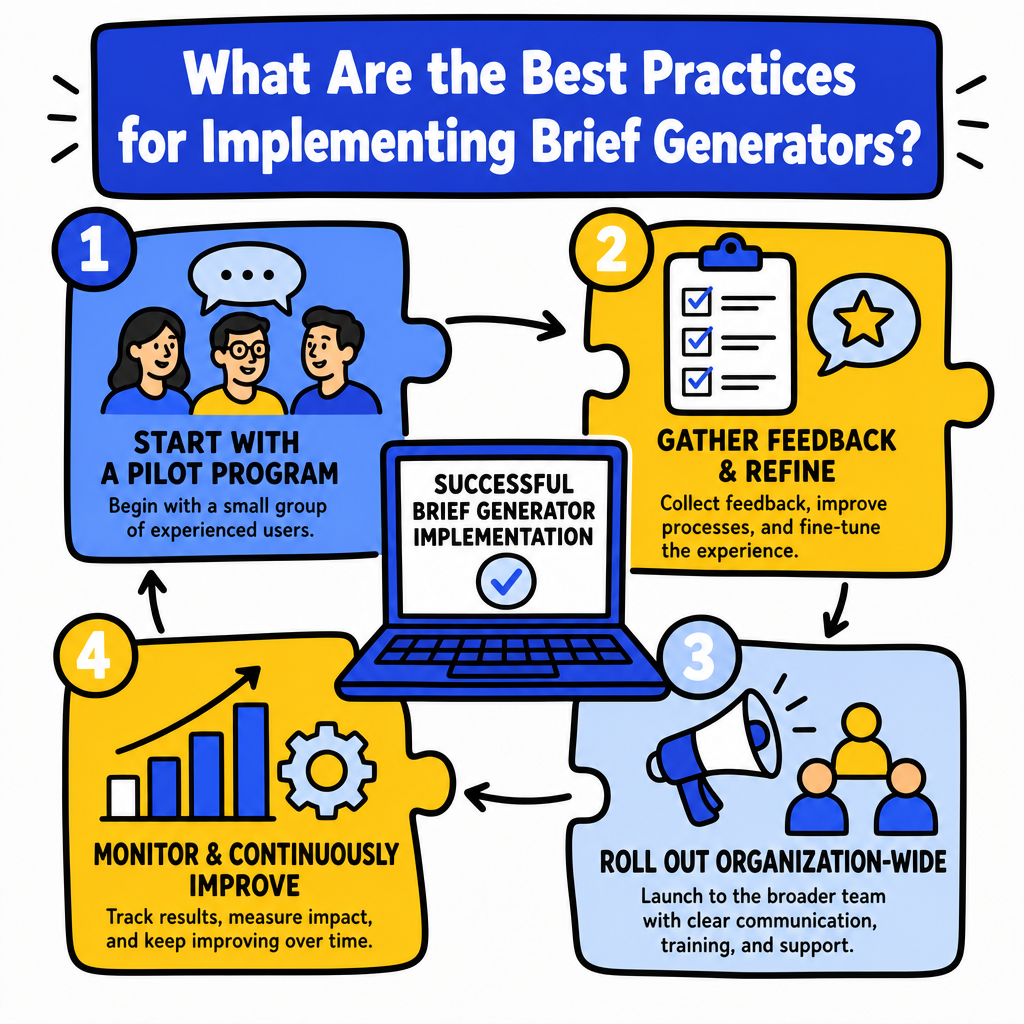
Successful brief generator implementation requires a strategic approach that considers both technical and human factors. Begin with a pilot program involving a small group of experienced users who can provide feedback and help refine your processes before rolling out the tool organization-wide. This approach allows you to identify potential issues and develop best practices specific to your organization's needs.
Training and change management are critical components of successful implementation. Even the most intuitive brief generator represents a change in established workflows, and team members may resist adopting new processes. Provide comprehensive training that not only covers how to use the tool but also explains the benefits and long-term value proposition.
Establish clear guidelines for when and how to use the brief generator, including which project types require formal briefs, who is responsible for brief creation, and how briefs should be reviewed and approved. These guidelines help ensure consistent adoption and prevent the tool from becoming just another unused software license.
Maximizing ROI Through Strategic Brief Generator Usage
To maximize the return on your brief generator investment, focus on measuring and tracking key performance indicators that demonstrate value. Monitor metrics such as brief creation time, project kickoff efficiency, revision cycles, and stakeholder satisfaction to quantify the tool's impact on your organization's productivity.
Create a feedback loop that allows users to suggest improvements and share best practices. Regular review sessions help identify new use cases and optimization opportunities while ensuring that the tool continues to meet evolving organizational needs. Consider appointing brief generator champions within different teams who can provide peer-to-peer support and drive adoption.
How Will Brief Generators Evolve in the Coming Years?
The future of brief generators looks increasingly sophisticated, with artificial intelligence and machine learning playing larger roles in automating and optimizing the brief creation process. Advanced AI algorithms will soon be able to analyze successful past projects and suggest optimal brief structures, content, and approaches based on historical data and industry best practices.
Integration with emerging technologies such as voice recognition and natural language processing will make brief creation even more intuitive and accessible. Users will be able to dictate brief requirements conversationally, with the system translating spoken requirements into structured, professional documentation automatically.
Predictive analytics will enable brief generators to identify potential project risks and opportunities based on brief content, helping organizations make more informed decisions about resource allocation and project prioritization. These insights will transform brief generators from simple documentation tools into strategic planning platforms that contribute directly to business success.
Conclusion
Brief generators represent a fundamental shift in how organizations approach project planning and creative direction. By providing structure, consistency, and efficiency to the brief creation process, these tools enable teams to focus more time and energy on execution rather than documentation. The benefits extend beyond simple time savings to include improved collaboration, better project outcomes, and more strategic resource allocation.
As we move further into 2026 and beyond, the organizations that embrace brief generators will find themselves with a significant competitive advantage in terms of operational efficiency and project success rates. The key to maximizing this advantage lies in choosing the right tool, implementing it strategically, and continuously optimizing its use based on real-world feedback and results.
Ready to transform your project planning process? Start by evaluating your current brief creation workflow and identifying the specific pain points that a brief generator could address. Consider trying a few different platforms to find the one that best fits your organization's needs, and remember that the most powerful tool is the one your team will actually use consistently.
Frequently Asked Questions
A brief generator is specialized software that uses AI and machine learning to help users create structured, professional project briefs quickly. It guides users through intelligent prompts and questions, adapts to your industry and project type, and ensures all essential elements are covered while identifying gaps in your documentation.
Brief generators can reduce brief creation from hours or days to just minutes by eliminating multiple rounds of emails, meetings, and revisions. The systematic approach ensures comprehensive coverage while preventing common oversights that typically require back-and-forth communication.
Marketing and advertising agencies see the most significant benefits, but brief generators are also valuable for technology companies developing products, consulting firms standardizing client engagements, and design studios managing creative projects. Any industry requiring structured project documentation can benefit from these tools.
Yes, modern brief generators offer integration capabilities that connect with project management tools, creative software, and communication platforms, creating a seamless workflow from brief creation to project completion. Many also include real-time collaboration features with version control.
Brief generators create a shared language and framework across teams, making it easier to compare projects, allocate resources, and maintain quality standards. The consistent structure helps build institutional knowledge and ensures all stakeholders have access to the same foundational information.

Stefan Winter
Founder & SEO Expert
Founder of Fast SEO Fix and SEO automation expert. Stefan built Fast SEO Fix to solve the tedious problem of manual SEO work. He specializes in SEO optimized content generation, keyword research, and automated SEO strategies.
