How to Get Started with SEO: A Complete Beginner's Guide for 2026
Posted by
 Stefan Winter
How to Get Started with SEO: A Complete Beginner's Guide for 2026

Getting started with SEO can feel overwhelming, especially when you're facing a sea of technical jargon and conflicting advice. Whether you're launching a new website, starting your first business, or finally ready to tackle digital marketing, this comprehensive guide will walk you through every essential step. You'll learn how to build a solid SEO foundation, avoid common beginner mistakes, and create a roadmap that delivers real results in 2026 and beyond.
What Does Getting Started with SEO Actually Mean?
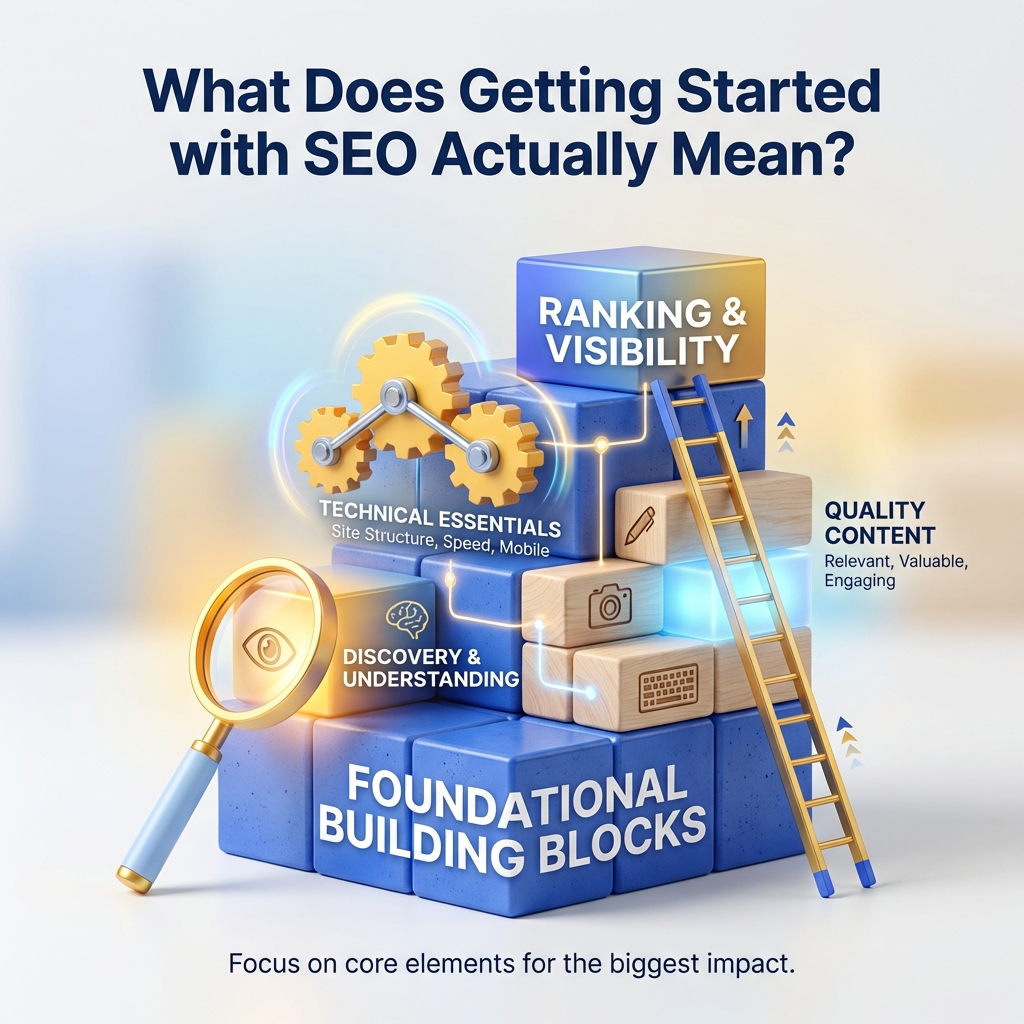
Getting started with SEO means establishing the fundamental building blocks that search engines need to find, understand, and rank your website. It's not about mastering every advanced technique immediately, but rather focusing on the core elements that will have the biggest impact on your online visibility.
The key to successful SEO implementation lies in understanding that search engines have evolved dramatically. Modern algorithms prioritize user experience, content quality, and technical performance over outdated tactics like keyword stuffing or link schemes. When you're getting started, your primary goal should be creating a website that serves your audience while following search engine best practices.
Many beginners make the mistake of jumping into advanced strategies before mastering the basics. This approach often leads to frustration and wasted resources. Instead, focus on building a strong foundation that you can expand upon as your knowledge and needs grow.
How to Set Up Your SEO Foundation in 5 Steps
Step 1: Conduct Your Initial Keyword Research
Before writing a single page of content, you need to understand what your target audience is searching for. Start by brainstorming topics relevant to your business or website. Use tools like Google Keyword Planner, SEMrush, or Ahrefs to discover search volumes and competition levels.
Focus on long-tail keywords when getting started. These phrases are typically easier to rank for and often indicate stronger purchase intent. For example, instead of targeting "marketing," consider "digital marketing services for small businesses" or "how to create a marketing plan."
Create a spreadsheet to organize your keyword research. Include columns for the keyword phrase, search volume, competition level, and relevance to your business. This document will become your content planning roadmap.
Step 2: Optimize Your Website Structure
Your website's structure directly impacts how search engines crawl and index your content. Start by creating a logical hierarchy with clear navigation menus. Each page should be accessible within three clicks from your homepage.
Implement proper URL structures that include relevant keywords and maintain consistency. For example, use "/services/seo-consulting" rather than "/page123" or random character strings. Clean URLs help both users and search engines understand your content organization.
Set up essential pages that every website needs: homepage, about page, services or products pages, contact information, and privacy policy. These pages establish credibility and provide search engines with comprehensive information about your business.
Step 3: Install Essential SEO Tools
Getting started requires the right tools to monitor your progress and identify opportunities. Begin with Google Analytics and Google Search Console, both free platforms that provide invaluable insights into your website performance.
Google Analytics tracks user behavior, traffic sources, and conversion data. Google Search Console shows how your site appears in search results, which keywords drive traffic, and any technical issues that need attention.
Consider investing in a comprehensive SEO platform like SEMrush, Ahrefs, or Moz Pro once you've mastered the basics. These tools offer advanced features for keyword research, competitor analysis, and technical audits.
Step 4: Create Your Content Strategy
Content remains the cornerstone of effective SEO. Develop a content calendar that addresses your audience's questions and pain points while incorporating your target keywords naturally. Plan to publish consistently, whether that's weekly blog posts, monthly guides, or quarterly resource pages.
Focus on creating comprehensive, helpful content that provides real value. Search engines reward pages that thoroughly answer user queries. Aim for content that's longer and more detailed than your competitors while maintaining readability and engagement.
Remember that content includes more than just blog posts. Product descriptions, service pages, FAQ sections, and resource libraries all contribute to your SEO success when properly optimized.
Step 5: Implement Technical SEO Basics
Technical SEO ensures search engines can properly crawl and index your website. Start with page speed optimization by compressing images, enabling browser caching, and choosing a reliable hosting provider. Google considers page speed a ranking factor, making this crucial for success.
Ensure your website is mobile-responsive. More than half of web traffic comes from mobile devices, and Google uses mobile-first indexing. Test your site on various devices and screen sizes to guarantee a positive user experience.
Create and submit an XML sitemap to Google Search Console. This file helps search engines discover and understand your website's structure, ensuring all important pages get indexed properly.
What Are the Most Important SEO Elements for Beginners?
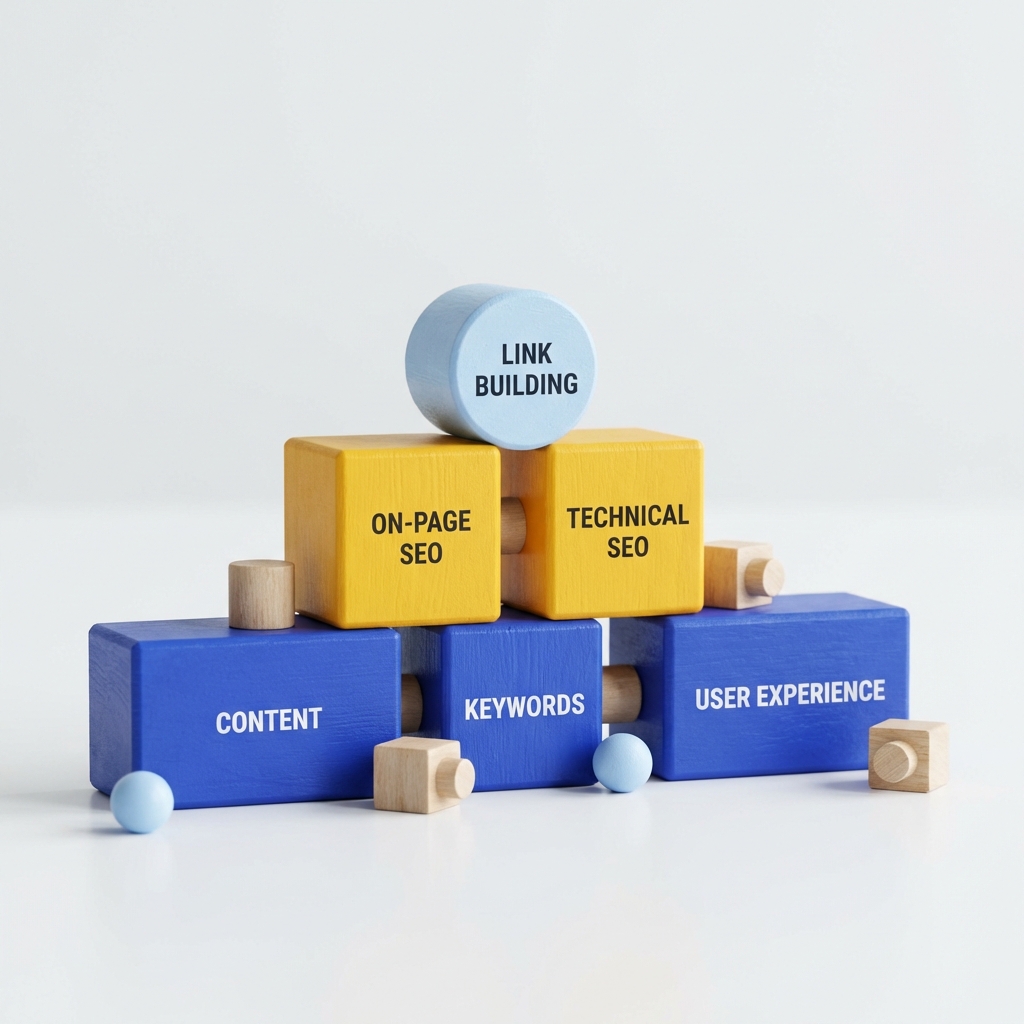
When getting started, focus your energy on the elements that provide the highest return on investment. The following table outlines the essential SEO components and their priority levels for beginners:
| SEO Element | Priority Level | Time to Impact | Difficulty |
|---|---|---|---|
| Keyword Research | High | 1-3 months | Beginner |
| Title Tags & Meta Descriptions | High | 2-6 weeks | Beginner |
| Quality Content Creation | High | 2-4 months | Intermediate |
| Technical SEO Basics | High | 1-2 months | Intermediate |
| Local SEO Setup | Medium | 1-3 months | Beginner |
| Link Building | Medium | 3-6 months | Advanced |
| Schema Markup | Low | 2-4 months | Advanced |
How Do You Avoid Common Getting Started Mistakes?
Many beginners fall into predictable traps that can derail their SEO efforts. Understanding these pitfalls helps you navigate more effectively and achieve faster results.
The biggest mistake is expecting immediate results. SEO is a long-term strategy that typically takes three to six months to show significant improvements. Set realistic expectations and focus on consistent progress rather than overnight success.
Another common error is neglecting user experience in favor of search engine optimization. Modern SEO requires balancing both priorities. Create content and design choices that serve your audience first, then optimize for search engines second.
Avoid keyword stuffing at all costs. This outdated practice can actually harm your rankings. Instead, use keywords naturally and focus on creating comprehensive content that covers topics thoroughly. Search engines understand context and synonyms, so you don't need to repeat exact phrases excessively.
How to Measure Your SEO Progress When Getting Started
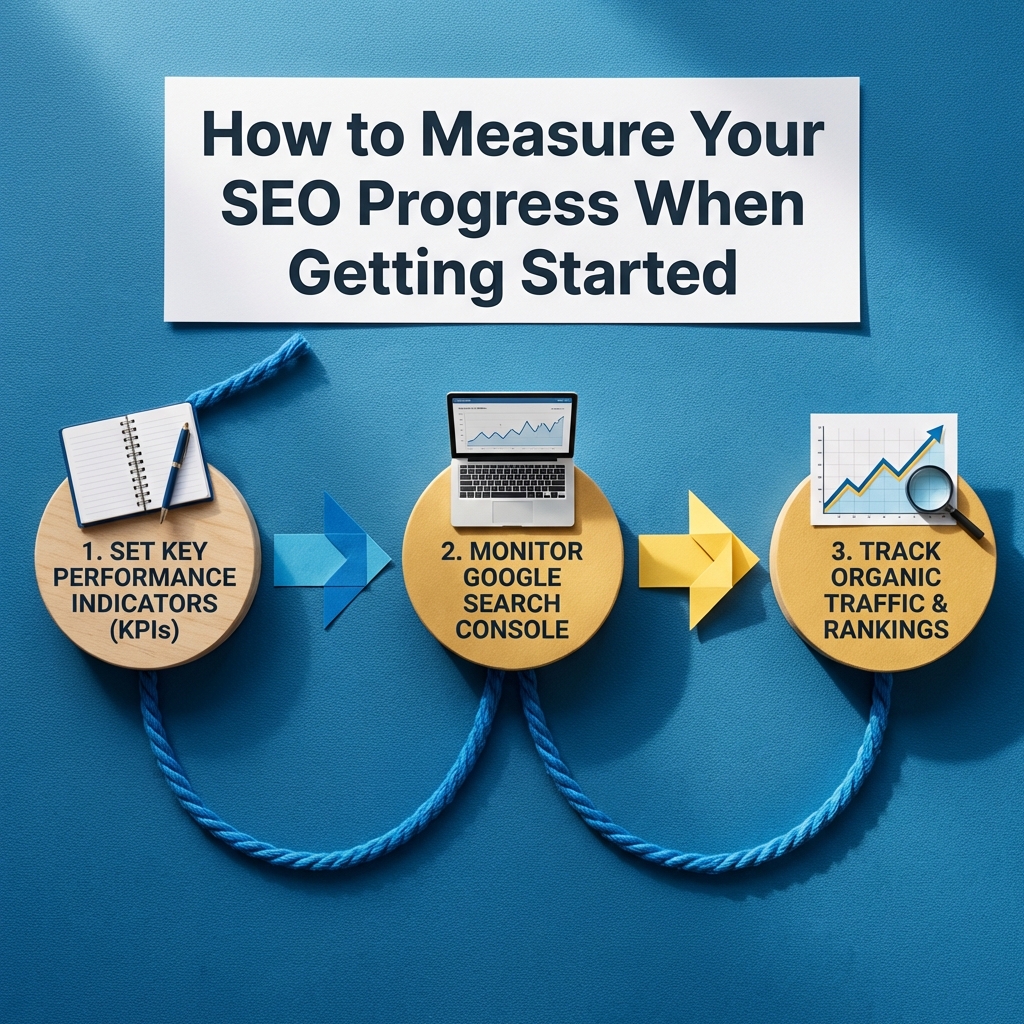
Tracking progress keeps you motivated and helps identify what's working. Set up key performance indicators (KPIs) that align with your business goals. Common metrics include organic traffic growth, keyword rankings, click-through rates, and conversion rates.
Monitor your Google Search Console data weekly to spot trends and issues early. Pay attention to impression growth, which often precedes ranking improvements. If your pages are showing up more frequently in search results, rankings typically follow.
Use Google Analytics to understand user behavior on your website. High bounce rates might indicate content quality issues or mismatched search intent. Long session durations and multiple page views suggest you're providing valuable information that keeps visitors engaged.
Document your progress in a monthly report that includes traffic changes, new keyword rankings, content published, and technical improvements made. This documentation helps you understand which strategies produce the best results for your specific situation.
What Should You Focus on in Your First 90 Days?
Your first three months should establish a solid foundation while building momentum for long-term success. Week one through two should focus on technical setup: installing analytics tools, conducting initial keyword research, and auditing your current website structure.
Weeks three through eight should emphasize content creation and on-page optimization. Publish high-quality content consistently while optimizing existing pages with proper title tags, meta descriptions, and header structures. This period is crucial for establishing your content rhythm and optimization processes.
The final month should involve monitoring results, refining strategies, and planning your next phase. Analyze which content performs best, identify technical issues that need attention, and develop more sophisticated keyword targets based on your initial results.
Remember that getting started is just the beginning of your SEO journey. The habits and systems you establish in these first 90 days will determine your long-term success. Focus on building sustainable processes rather than quick fixes or shortcuts.
Conclusion
Getting started with SEO doesn't have to be overwhelming when you follow a structured approach. Focus on the fundamentals: thorough keyword research, solid technical foundation, quality content creation, and consistent monitoring. Remember that SEO success comes from sustained effort over time, not quick fixes or advanced tactics.
The most important step is simply beginning. Many website owners delay their SEO efforts while waiting for the "perfect" strategy or more resources. Start with the basics outlined in this guide, and you'll be ahead of competitors who are still planning instead of implementing.
Ready to transform your website's search engine visibility? Fast SEO Fix specializes in helping businesses get started with SEO the right way. Our automated SEO solutions and expert keyword research services can accelerate your progress while you focus on running your business. Contact us today to discover how we can help you build a strong SEO foundation that drives real results.

Stefan Winter
Founder & SEO Expert
Founder of Fast SEO Fix and SEO automation expert. Stefan built Fast SEO Fix to solve the tedious problem of manual SEO work. He specializes in SEO optimized content generation, keyword research, and automated SEO strategies.
